
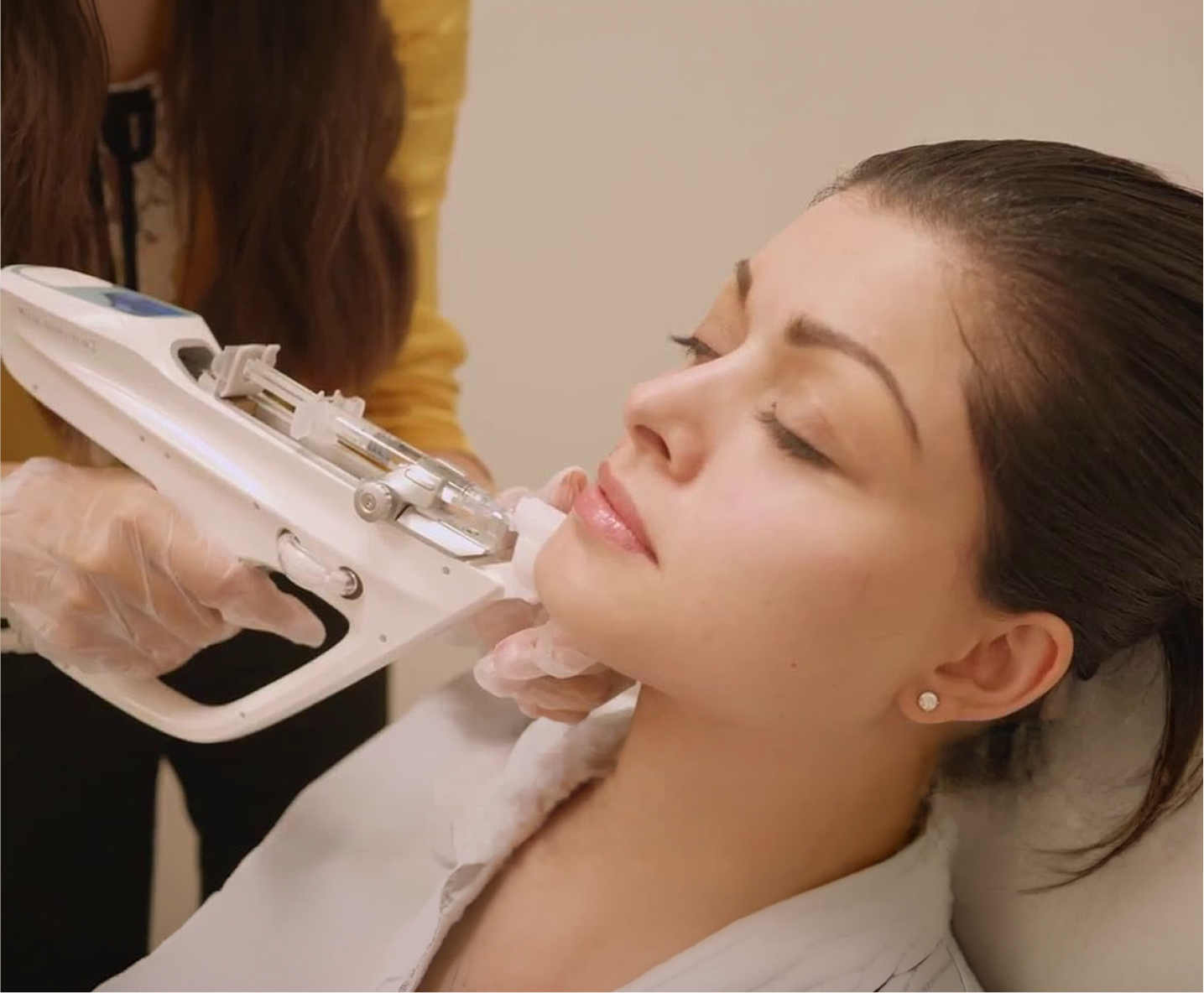
When evaluating light-based therapies to restore your complexion, choosing between an Intense Pulsed Light (IPL) Photofacial and Laser Skin Resurfacing can feel overwhelming. While both technologies harness light energy to transform sun-damaged or aging skin, they work differently, target different concerns, and require different recovery timelines.
At Allura Clinics, our patients in Dieppe and Moncton frequently ask which option delivers better results. Here is a comprehensive breakdown to help you determine which treatment aligns best with your skin goals.
Understanding the Core Technology: IPL vs. Laser
The fundamental difference between IPL and laser treatment lies in how light energy is emitted and absorbed by the skin.
- IPL (Broad-Spectrum Light): Unlike traditional lasers, IPL emits multiple broad wavelengths of scattered light energy (typically ranging between 500 nm and 1200 nm). These wavelengths selectively target excess pigment (melanin) and redness (hemoglobin) in the upper layers of the dermis without harming surrounding tissue.
- Laser Skin Resurfacing (Focused Single Wavelength): Lasers use a single, highly focused beam of monochromatic light to deliver precise energy deeper into the skin structure. Fractional and CO2 lasers create controlled micro injuries to remove damaged surface skin layers and stimulate deep, long-term collagen production.
Direct Comparison: Key Differences at a Glance
| Feature | IPL Photofacial | Laser Skin Resurfacing |
| Primary Goal | Pigmentation, Rosacea & Redness | Deep Wrinkles, Acne Scars & Laxity |
| Light Source | Broad Spectrum Pulsed Light | Focused Single Wavelength |
| Downtime | Minimal (1–2 days flushing) | 7 to 14 days (Flaking & Healing) |
| Typical Sessions | 3 to 4 sessions | 2 to 3 targeted sessions |
| Fitzpatrick Suitability | Best for Types I–III | Varies by laser wavelength |
When to Choose an IPL Photofacial
An IPL Photofacial Treatment is ideal if your main concern is surface discolouration or redness. It is a gentle, non-ablative procedure that fits seamlessly into a busy schedule.
Best suited for treating:
- Sunspots, freckles, and dark age spots
- Diffused redness, flushing, and rosacea flare-ups
- Broken capillaries and visible facial veins
- Large pores and mild tone irregularities
Downtime Expectations: Minimal to none. Pigmented spots will temporarily darken—resembling fine coffee grinds—and naturally flake off within 7 to 10 days.
When to Choose Laser Skin Resurfacing
If you are dealing with structural skin aging, deep lines, or texture irregularities, Laser Skin Resurfacing offers a more comprehensive overhaul by stimulating collagen deep within the skin layers.
Best suited for treating:
- Fine lines, deep wrinkles, and lax skin
- Moderate-to-severe acne scars or surgical scarring
- Rough or uneven skin texture
- Advanced photo damage requiring structural repair
Downtime Expectations: Depending on treatment depth, expect 5 to 10 days of social downtime while your skin heals, peels, and reveals fresh new tissue underneath.
Important Safety Consideration: Your Skin Tone
Skin tone safety is a critical factor when selecting light-based treatments. The Fitzpatrick Skin Phototype Classification categorizes skin from Type I (very fair) to Type VI (deeply pigmented).
Because IPL targets melanin broadly, it carries a higher risk of post-inflammatory hyperpigmentation on darker skin tones (Fitzpatrick IV–VI). During a consultation, a medical evaluation will determine if an IPL or a specialized laser setting is safer for your skin type.
Frequently Asked Questions
Can I combine IPL and Laser treatments?
Yes. Many clinical treatment plans combine IPL to clear surface pigmentation with laser sessions or medical-grade facials and peels to refine texture.
How do I prepare for my session?
Avoid direct sun exposure, tanning beds, self-tanners, and retinoid products for at least 2 to 4 weeks prior to treatment. Protecting your skin from fresh sun exposure is essential for both therapies.
How many sessions will I need to see results?
IPL typically requires 3 to 4 sessions spaced 2 to 3 weeks apart to completely clear deep pigmentation. Laser skin resurfacing often yields dramatic texture improvement after 2 to 3 targeted sessions, depending on the depth of treatment.
Can I wear makeup right after treatment?
For IPL, mineral makeup can typically be applied 24 hours after treatment once initial flushing subsides. For laser skin resurfacing, you must wait 5 to 7 days until the skin’s protective barrier has completely re-epithelialized and healed.
Are the results of IPL and Laser skin treatments permanent?
While both treatments permanently clear existing damaged cells, aging and future sun exposure will eventually create new spots and wrinkles. Incorporating medical-grade antioxidants, like C E Ferulic, alongside broad-spectrum daily SPF is essential to maintain your results.
Schedule Your Consultation in Moncton & Dieppe
The most effective way to choose between IPL and laser treatment is through an in-person assessment with an experienced medical team. Under the leadership of Dr. Ali Husain, Allura Clinics creates tailored plans to safely achieve your aesthetic goals.
Ready to reveal clearer, smoother skin? Request you Private consultation or contact our clinic team today.